Concrete transportation capacity is measured in cubic yards, and this makes it an important aspect of construction projects ranging from simple houses to the massive industrial structures. One of the first inquiries that project timing planners and contractors ask is:how many yards does a concrete truck hold? This figure lets them make more intelligent choices such as efficient project timing, a straightforward task, and expense management. While most of the trucks are general-purpose, the answer to the question is more than stating a number, it necessitates knowledge regarding truck volumes, legal load limits, and mix design issues.
Standard Concrete Truck Capacities
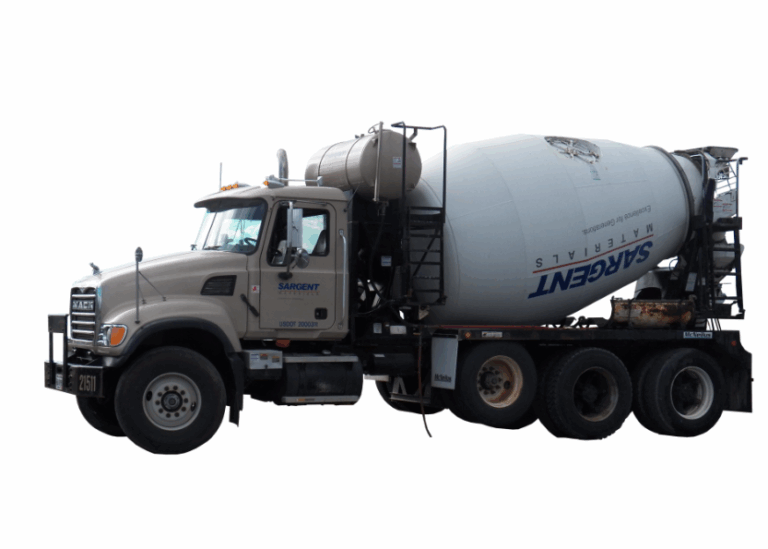
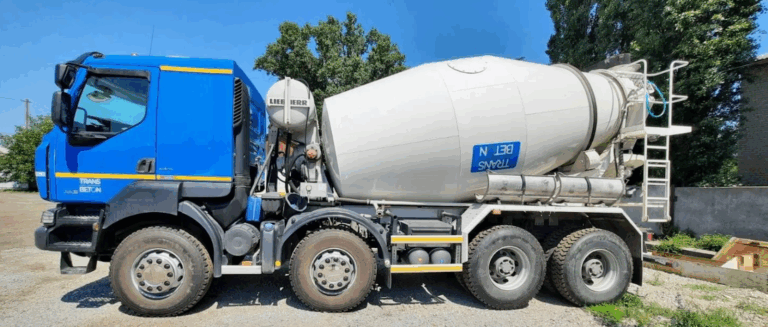
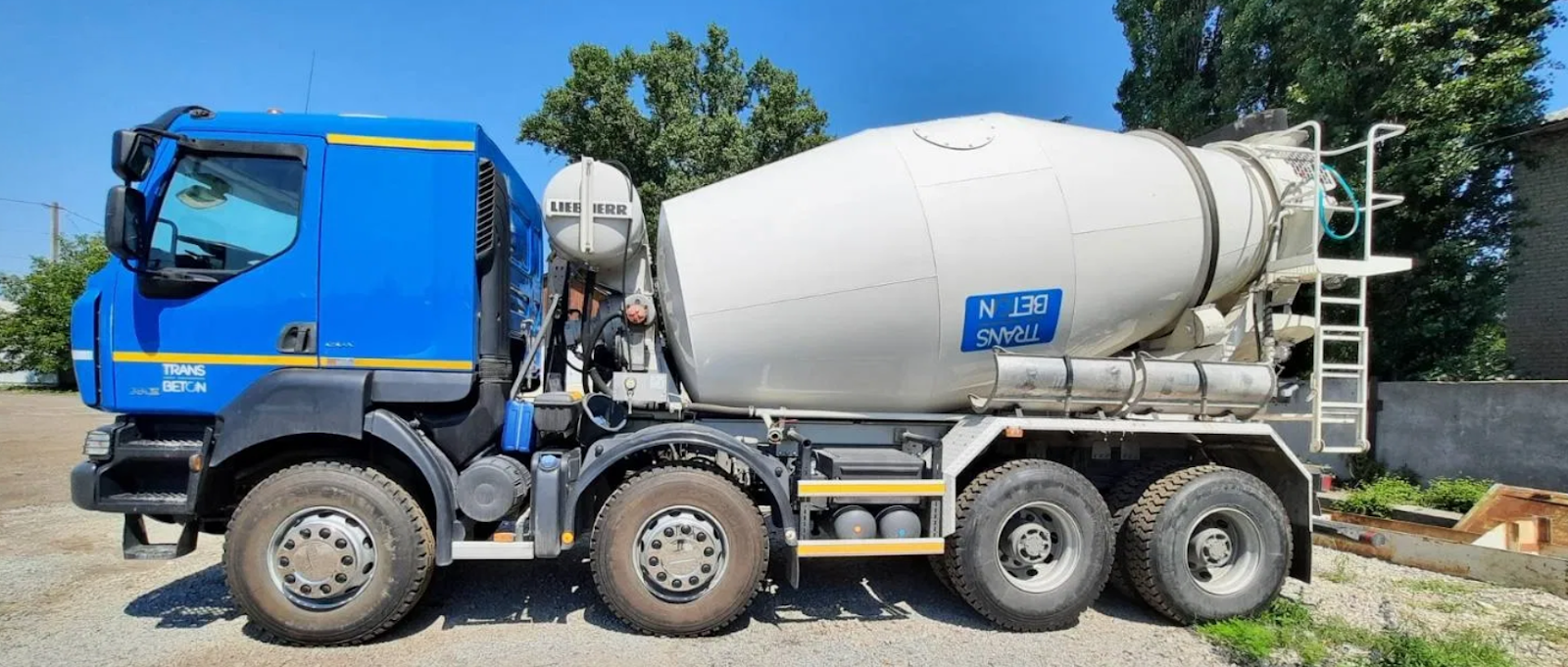
concrete transportation trucks, sometimes known as concrete mixer truck or ready-mix trucks, are specialized vehicles used to transport concrete from the batching plant to the site. Their rotating concrete drum is responsible for agitating the mixture, which prevents it from hardening during transport.
Common Sizes and Their Capacities
The small, low-capacity mixer trucks, specifically the ones with a carrying capacity of 4 to 6 cubic yards, reserved for residential construction projects, the average-capacity standard trucks of 8 to 10 cubic yards which are the ones used frequently in commercial and mid-sized jobs, and the giant trucks of 12 to 14 cubic yards assigned only to industrial scale projects but, however, local load limits may apply are shown in the table below.
| Truck Type | Capacity (Cubic Yards) | Typical Use | Notes |
| Small Mixer Truck | 4–6 | Residential projects, tight access | Easier maneuverability, limited load size |
| Standard Mixer Truck | 8–10 | Most commercial pours, mid-sized jobs | Most common choice in ready-mix truck fleets |
| Large Mixer Truck | 12–14 | Industrial and infrastructure pours | Often restricted by road weight regulations |
Visualizing Truck Volume
The difference is that truck size is the only factor of the size-volume relationship, which the following tent display-oriented truck size will show:
The picture makes the most standard sizes (8–10 yards) visible on scanners these are mix include different strains of hauling capacity.
Watch: How Many Yards Do Concrete Trucks Hold?
For a quick visual explanation, here’s a short video that illustrates typical truck capacities and load variations:
How Many Yards Do Concrete Trucks Hold? – Civil Engineering Explained
Factors Influencing Truck Capacity
Even if the drum is built for one specific size, the actual batch yield per load can differ per load. A few of these elements are:
- Concrete density – The density of concrete averages out to 4,000 pounds weight per cubic yard. A fully loaded 10-yard truck can therefore weigh 40,000 pounds. The rules of the road often bar this.
- Mix design input – A high-strength or heavy-duty mix reduces the load that can safely be taken away.
- Load size deviations – Sometimes smaller batch sizes are selected for various reasons like staggered concrete pour.
- Law restrictions – The maximum cargo weight set by the state governs legal load limits on major roads.
In other words, the drum could possibly hold 12 cubic yards but only 10 may be allowed to be transported legally and safely.
Planning Your Concrete Delivery
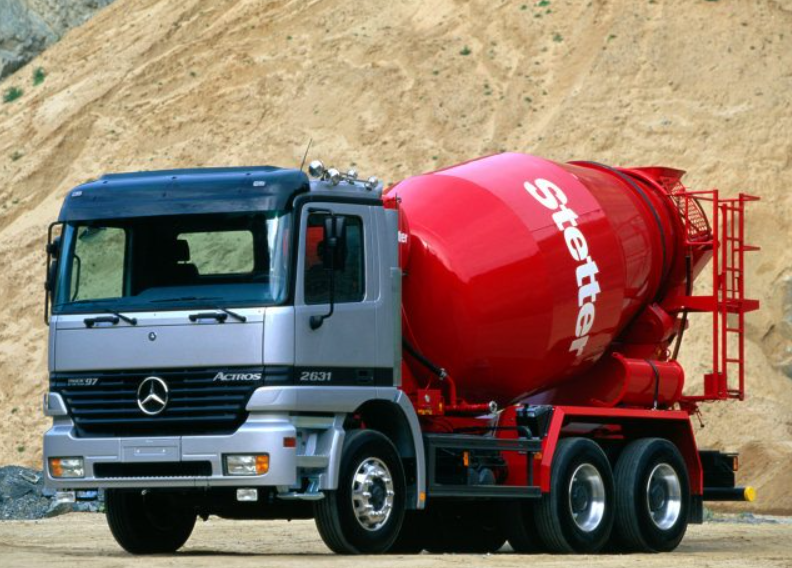
Knowing truck hauling capacity is only part of the task—contractors also have to ensure correct orders, and the most efficient delivery schedules are mapped before the start of the project.
Estimating Concrete Needs for Your Project
On-site estimation of exact concrete transportation volume is vital. Here are the steps that professionals generally use:
- Volume calculation – Multiply length × width × depth (in feet), then divide by 27 to convert to cubic yards.
- Adjust for waste – Add 5–10% to account for over-excavation, spillage, or uneven ground.
- Consider load size variations – If the total standard yardage doesn’t match truck capacity, the supplier may split the delivery into multiple trips.
Example:
A 30 ft × 20 ft garage slab with a thickness of 6 inches = 30 × 20 × 0.5 ÷ 27 = 11.1 cubic yards. That means one standard truck (10 yards) plus a smaller load.
Coordinating with Suppliers for Efficient Delivery
Choosing a reliable concrete supplier will ensure that your material arrives on time and can be easily worked with. Important points of consideration include:
- Truck arrival timeline – Most plants send out trucks every 30–45 minutes. Time this with your pour rate planning for maximum efficacy.
- Concrete batching – Each load is prepared at the plant. The project timing of batching should be cognizant during scheduling for multiple trucks.
- Limits of ready-mix concrete – The working time of the material is 60–90 minutes. Appropriate supply chain coordination will avert premature setting.
- Delivery scheduling – Match capacity per trip to crew size, pump availability, and site access to avoid idle time.
Without this cooperation, even the knowledge of how many yards does a concrete truck hold won’t serve to prevent bottlenecks on the site.
Real-Life Tips for Construction Projects
Aside from figures and calculations, here are some tested recommendations that contractors apply with assurance:
- Concrete drum rotation – Continue to keep the drum rotating to prevent premature setting.
- Pour rate planning – Good crew size generally pours 20–30 cubic yards each hour.
- Concrete weight issues – Very heavy loads can create safety issues, be sure to reference the reg. limits in your area.
- Impact of the mix design – Air-entraining or lightweight mixes alter the truck capacity.
- Supply chain coordination – A setback at the plant or on the road can disrupt the entire project.
Example Case: Residential vs. Commercial
- Residential work: A patio that requires just 5 yards of concrete and can be managed by a small mixer truck capable of maneuvering in tighter spaces.
- Commercial task: A huge foundation project with a requirement of 200 yards will make use of several standard-sized trucks deployed in a synchronized manner, often accompanied by pump trucks on site.
This difference clearly brings out the relevance of choosing the right truck sizes and delivery methods for both the project to be cost-efficient and successful.\
Final Thoughts
So, how many yards does a concrete truck hold can fit into a concrete truck? The short answer will be: the biggest part of the standard mixer trucks can take 8–10 cubic yards. However, the detailed answer mainly relies on truck capacity, load limits, concrete weight, and mix design impact.
Effective project planning is not just about memorizing numbers, it entails accurate volume calculation, timely delivery scheduling, and strong relationships with concrete suppliers. By syncing the truck turnout times with their pour plan, the contractors can guarantee all concrete deliveries are helping effects by the seamless, constant working on-site.
Concrete problems are thoroughly resolved, whether through residential driveways, or industrial foundations, the capacity per trip, batch size options, and supply chain coordination are the key factors to avoid delays and ensure that projects are completed on time.
FAQ: Concrete Truck Capacities and Delivery
How much concrete can most concrete mixer trucks usually carry?
The most common load for concrete mixer trucks ranges from 8 to 10 cubic yards of ready-mix concrete. This is the standard size for commercial projects and medium construction sites.
Why does drum capacity vary and the actual load carried appear lower sometimes?
A drum that can hold 12 cubic yards might not be filled up to the max because, due to legal load limits and weight restrictions, it is often impossible. These laws regulate the transportation of materials by enforcing safety measures and compliance on each trip.
How do I figure how many trucks I need for my project?
The first step is to calculate the volume of the project by applying the formula: (length × width × depth) ÷ 27. Afterwards, allow for a certain percentage for waste material, then divide the total figure by the truck capacity.
Example: A 50-yard slab requires approximately 5 standard trucks.
Do suppliers offer half loads for smaller projects?
Yes. Partial batch sizes are usually provided to help with the residential projects of around 3–6 cubic yards needed by many suppliers of concrete.
How long can concrete remain in a mixer truck before it is unusable?
The average time that concrete is workable under right mix design and regular temperature is about 60 to 90 minutes. Some other factors, like weather conditions or supply chain delays, may negatively affect this window.
What if I require more than one truckload for my pour?
Suppliers deliver in staggered intervals (usually 30-45 minutes) between the time they arrive. This kind of arrangement makes a continuous pour possible and prevents cold joints in the slab.
About the Author