Knowledge of the maximum height for a maximum height standard 26ft straight truck is a must-have for anyone in logistics, moving services, or local freight delivery. Not just a technical detail, it is also a matter of compliance, safety, and practicality. Daily challenges faced by truck operators revolve around the correct truck height such as state rules, manufacturer variations, overpass clearance, and parking restrictions. By being aware of truck height regulations, internal and external dimensions, and practical driving considerations, you can increase efficiency and reduce risks.
Dimension Characteristics of a 26ft Straight Truck
2025 Peterbilt 536 26ft Penske Truck w/ Lift Gate RARE MODEL Paccar Powered
In our discussion on the 26ft truck dimensions, we may start with its length, but it should be noted that height is equally important. The overall external and internal vehicle dimensions are the numbers used by operators and loading staff to measure how the truck interacts with infrastructure and how much useful space is available for cargo.
Overall Height
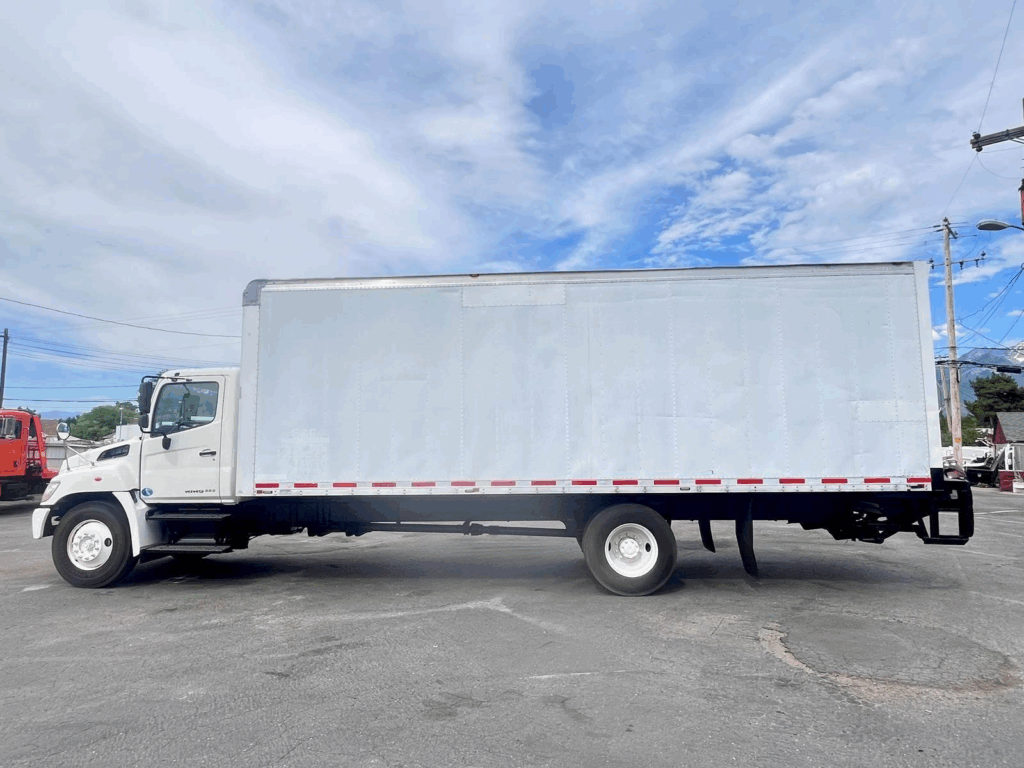
This is of great concern to operators because the design and equipment used to build them normally determine their height. A straight truck commonly has a rectangle design with a typical height range of 11 feet 6 inches to 13 feet 6 inches, which really depends on the configuration and accessories. Among the applications of this number, one can find highway height limits, bridge clearance charts, and tunnel clearance restrictions.
Height standards for trucks set by federal height standards in the U.S. are 13 feet 6 inches however, there are some states that add a strict truck height limit of 14 feet. Road signage height limits provide the necessary information needed by the driver, so it is a must for truck drivers to check before hitting the road.
The truck height specifications are often determined by truck height variations that exist across models. Many dealers build low-profile trucks for safety purposes, while others prioritize larger cargo truck dimensions. Vehicle height compliance is a matter of safety that is why before every journey drivers should have the exact and accurate truck height measurements.
Interior Height
The cargo bay height inside the truck is the measurement of the interior space and it typically ranges from 7 to 8.5 feet. The interior clearance is the determining factor of how furniture, pallets, and bulky items are stacked. For moving companies, moving truck height details such as interior height space and load height management determine overall capacity.
Flat, ceiling-like structures eliminate the visibility of beams however, cross beams reduce usable space. This highlights the importance of dimension tolerance for companies loading specialized equipment. The straight truck specifications mentioned in a manufacturer’s height spec sheets usually include both external and internal dimensions, which help operators to plan cargo effectively.
Factors Affecting Height of Truck

One might say that a 26ft straight truck is a standard, but in fact, they are often found with very different designs. Several truck height factors directly affect whether a vehicle is at the lower or upper end of the range.
Manufacturer Specifications
Various manufacturers provide different spec sheets. Height variability by model arises due to differences in chassis design, suspension, and body build. For instance, a Freightliner 26ft straight truck would differ from an International or Isuzu in terms of vehicle dimensions. Rental or purchase requests are covered by checking the truck height guidelines first. Ensuring that the vehicle clearance does not violate any height restriction maps will guarantee that the truck meets operational needs.
Additional Equipment
Height standard configurations can be disrupted by new features. Refrigeration units on the roof, aerodynamic devices, and satellite domes might add a couple of extra inches to the overall vehicle height. Using different height measurement methods—such as with fully inflated tires or factoring in suspension compression—can also show different results.
Additional equipment such as liftgates, ladders, or roof-mounted racks influences the standard truck height. With these, the truck may exceed the maximum vehicle height, requiring a permit for tall loads or meeting height permit requirements with waivers.
State and Local Regulations

Drivers as professionals must be absolutely aware of regulatory height rules and act accordingly. While federal laws exist, states and municipalities may also set their own truck height restrictions.
Height Limitations
The highest legal point allowed in the majority of states is 13 feet 6 inches. Nevertheless, some western states like California or Oregon allow slightly higher fixed height limits. On the other hand, rural areas, older towns, or places with historic bridges may enforce strict garage height limits or tunnel clearance conditions.
Drivers need to consult height restriction maps, clearance radar readings, and bridge clearance charts to stay current. Failing to ensure truck height compliance can result in bridge strikes, infrastructure damage, and costly downtime. Even when within legal truck height limits, a driver’s pre trip height check is an absolutely necessary habit.
Permit Requirements and Compliance
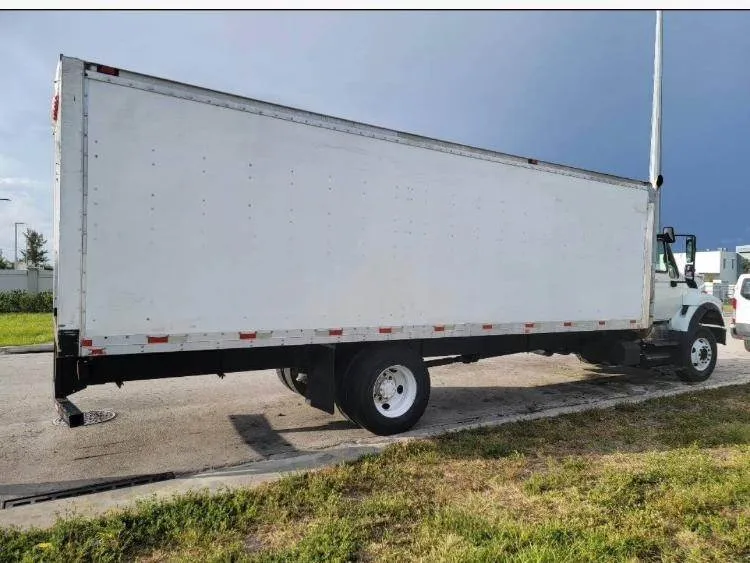
It’s necessary for operators to secure truck height permits when exceeding the maximum vehicle height. These documents often specify designated routes, hours of operation, and escort vehicle conditions. In certain cases, height waiver options are granted for temporary conditions such as relocating oversized machinery.
Maintaining vehicle height compliance is not only about the law but also insurance. Businesses operating oversized vehicles should prepare documentation that includes truck height specifications, height permit requirements, and proof of compliance with road signage height limits
Practical Considerations for Drivers
Drivers face situations daily where knowing precise truck height considerations is critical, going beyond legal compliance.
Passing Under Bridges
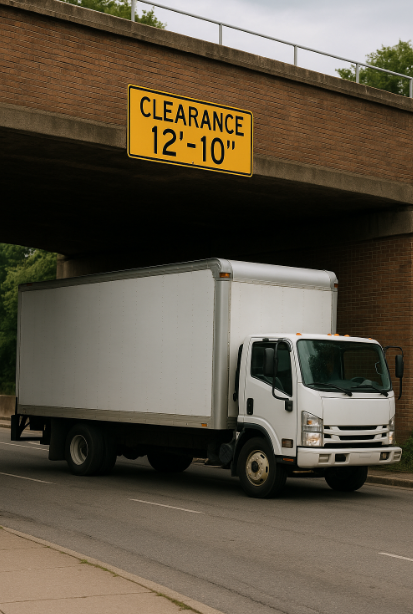
Bridge clearance is one of the main concerns. Some older bridges may provide as little as 12 feet of underpass clearance, while modern highways follow federal height standards. Drivers need to rely on road signage height limits, GPS with a height profile, and heightened caution in cities. Even a few inches of error can cause disaster, reinforcing the need for load height management and accurate vehicle clearance checks.
Parking and Storage
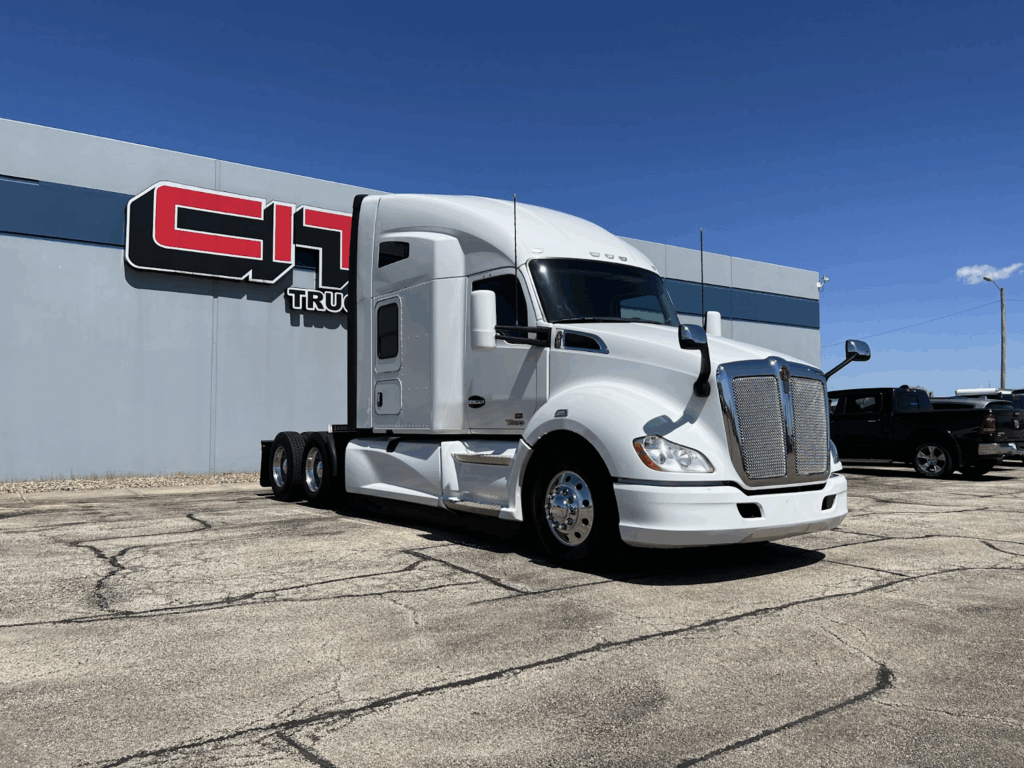
Truck parking and truck storage bring unique challenges. Facilities often impose parking clearance or garage height limits that taller trucks may not meet. For example, a 26ft truck with added refrigeration might exceed the access height at some commercial garages.
Operators should confirm access height before arranging truck storage or delivery stops. Even temporary stops at hotels or retail locations require awareness of fixed height limits to prevent costly incidents.
Final Word
The maximum height standard 26ft straight truck is more than just a number it’s a crucial factor for safety, compliance, and efficiency. Whether it’s overall vehicle height or interior clearance, truck height regulations or moving truck specifications, everything matters.
By following proper height measurement methods, ensuring truck height compliance, and respecting truck height standards, operators can avoid fines, protect cargo, and ensure safer journeys. From consulting bridge clearance charts to applying for truck height permits and planning for truck storage, accuracy remains key.
In logistics, moving, and transportation—where a few inches can determine success or failure—mastering truck height considerations guarantees compliance, progress, and safe travel on every route.
About the Author