Context
The question most frequently asked by truck owners and passengers is: is it legal to transport in the bed of a truck in Virginia? While some people think of it as a good way to ride along extra passengers or even a nostalgic throwback to rural life, the reality is that remains strict on Virginia pickup truck bed laws, and this is for a good reason.
Any person familiar with vehicle occupancy limits codes understands that these codes clearly state that cargo areas are not designed to carry passengers safely. Virginia’s transportation regulations emphasize that pickup truck laws beds are not equipped with seat belt requirements, rest device guidelines, and other necessary protective measures for passengers. Thus, Virginia’s traffic laws specify who can occupy truck bed areas and the conditions attached to them.
In this guide, you will find everything that there is to know about truck bed regulations in Virginia. It discusses age restrictions, exceptions, safety risks, and the legal consequences that drivers may face. At the conclusion, you will have ideas on how truck bed safety laws should be applied to real situations such as farming operations, parades, and daily driving.
Riding in Pickup Truck Beds as per Virginia Law

Virginia Code § 46.2-1156.1 is the legal basis for the truck bed laws in Virginia. It consists of various provisions of the Virginia traffic code that directly restrict the behavior of passengers riding in the cargo area, identifies age restrictions, and states the exceptions when those laws do not apply.
Age Restrictions
The main concern associated with the law of Virginia on riding in the truck bed is protecting children. The statute and issues of related child safety laws clearly state that no one under 16 can be allowed to ride in a truck bed on public highway safety. This rule is part of broader child passenger safety rules and youth passenger rules which are meant to avert serious truck bed injuries.
The reasoning behind it is that restraint device guidelines or the right passenger seating are not available, and it’s almost impossible to guarantee the safety of a cargo area. Truck beds are not structured to handle occupancy in beds limits, including all passenger requirements for seat belts.
As per the regulations for safety, those who are above 16 can occupy the beds, however, it is not automatically approved. However, safety guides that Virginia authorities recommend still caution this. The lack of a tailgate safety rule mandating seat belts or other passenger safety measures means riding in cargo area hold areas is inherently dangerous.
Exceptions to the Law
Even if Virginia Code § 46.2-1156.1 prohibits minors under 16 from taking the truck bed, Virginia transportation laws have exceptions that appreciate the cultural traditions and practical needs.
- Parade exemptions: In parades that have been officially sanctioned, the participants can ride in the cargo bed and this is part of their event. The parade exemptions are related to the permits that are given by the local authorities and other enforcers.
- Farm vehicle exemptions: In farming operations, workers sometimes have to travel short distances through or close to the fields. Farm vehicle exemptions are a means of addressing the farming operational realities when speeds are low.
- Special conditions: In some emergencies or work requirements, the law police may not carry a fine if it is a short period of bed riding. Nonetheless, the entry of cargo areas reiterates that these situations are exceptions not the normal state of affairs.
Nevertheless, truck bed safety laws have to remind drivers that risks accompany any situation in which passengers use cargo areas.
Safety Considerations

Truck bed safety risks in Virginia highlight that severe truck bed safety issues are not only a matter of following the laws. The law does not automatically make it safe even when there is an exception to the rule.
Risks of Riding in a Truck Bed
The safety risks of truck beds are not one-dimensional but are formed by a collection of factors:
- Weather exposure hazards: In this situation, the passengers are directly attacked with rain, cold, sun, and wind as they occupy the cargo area.
- Rollover risk factors: In a rollover, unrestrained passengers have a very high chance of being thrown out.
- Road hazard exposure: Dust flying, sudden braking, or crashes elevate the risks of serious injuries.
- Cargo shift risk: Loose cargo can slide or tip, injuring passengers and violating cargo bed restrictions.
- Lack of restraint device guidelines: The absence of seat belts leads to a situation where passengers are more likely to incur injuries or death.
It has been argued by experts that children face a greater risk of injury if they are on the bed with loose cargo around. They are more likely to be injured because the smaller and more fragile they are, thus making the youth passenger rules and child passenger guidelines stricter.
Legal Consequences of Violations

Breaking the rules under truck bed goes with heavy penalties. The rules for truck bed seating are to be enforced with the provisions under the Virginia traffic code. Some of them could be:
- Civil penalties Virginia courts may impose in form of traffic fines for bed riding.
- Traffic fines that might have consequences on the driver’s record and insurance.
- Legal penalties for any crash or injury which can include lawsuits.
For cases of frequent offenders, the penalties by law enforcement penalties can be stricter. A driver who intentionally dictates Virginia transportation laws may be regarded as negligent for truck bed injuries. Lawyers often warn against the riding of beds at all unless parade exemptions or farm vehicle exemptions apply directly.
Broader Context: How Virginia Compares
When we analyze the laws about riding in truck bed, Virginia is in the middle of the road. Some states have gone very far by issuing universal prohibitions while others are lenient. On the other hand, Virginia traffic regulations insist on passenger safety beds as their top-priority issue, especially where minors are involved.
Virginia’s position on a pickup truck laws is riding the nation taking an equal view with tradition (parade exemptions and farming operations) and traffic safety and child passenger safety standards. By stressing under-16 restrictions and cargo area restrictions, the lawmakers minimize the risk of casualty without completely prohibiting the activity.
Practical Safety Guidelines Virginia for Drivers
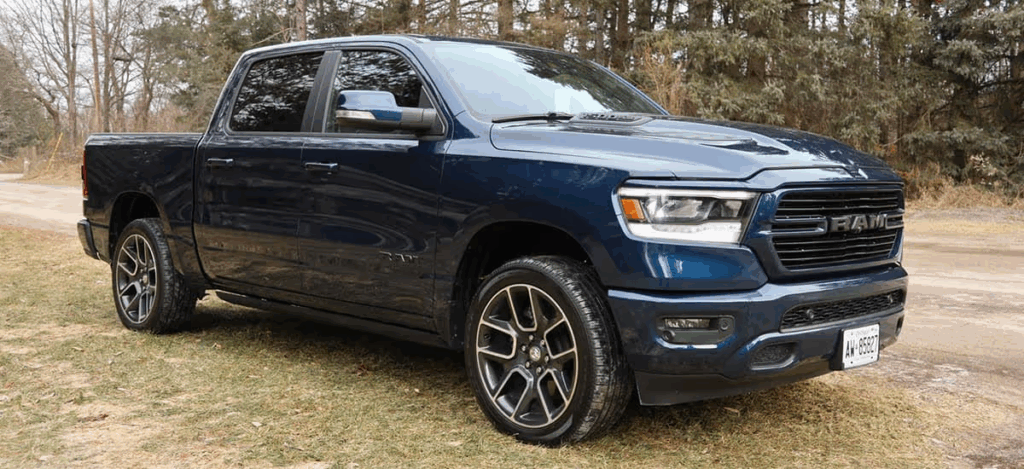
Despite the clear bed riding legality in most cases of riding beds, drivers need to take care and adopt safety measures and legal compliance tips to ensure full protection:
- Always check the vehicle code Virginia before allowing any passenger in the cargo bed.
- Understand your restraint device guidelines and note that trucks do not come with seat belt requirements.
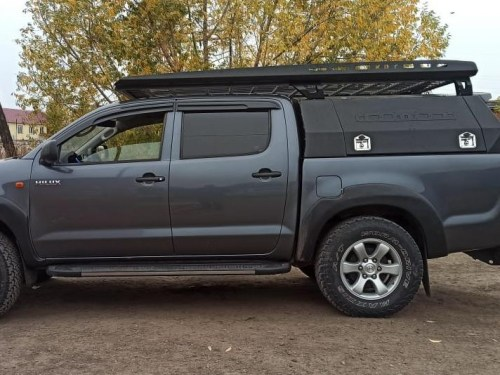
- Look into safety with tonneau covers and camper shells which will either block or minimize the open bed rules space available in which people could ride in cargo beds.
- Follow tailgate safety rules—never allow kids to sit on or lean over an open tailgate.
- Follow child rider safety and youth rider rules strictly and never allow children below 16 in cargo beds.
- Seek legal advice or enforcement guidance if you are not sure about local exceptions.
Results
Final Thoughts on Riding in Truck Beds in Virginia
To reply the question straightforwardly: under Virginia Code § 46.2-1156.1, this is not permitted since nobody under the age based exceptions of 16 can ride in the truck bed on public roads, except in very limited cases such as parades or farming operations. Despite the fact that it is not explicitly stated, truck bed safety laws and Virginia transportation laws highly recommend against it on account of the serious truck bed safety risks involved.
The following points should remain in your mind when evaluating the truck bed laws in Virginia:
- Age restrictions: No under 16 riders allowed in cargo areas on public highways.
- Exceptions: Parade exemptions, farming operations, and emergencies.
- Safety risks: Weather exposure risks, rollover risk factors, road hazard exposure, and cargo shift risk.
- Legal consequences: Fines for bed riding, traffic violation penalties, civil penalties Virginia courts can impose, and potential lawsuits.
Consequently the best way for maximized safety and legal compliance is not to allow passengers in cargo beds. Rather, passenger safety should always be number one priority, followed by cargo management through the use of seats with seat belt requirements.
Through the compliance with the truck bed regulations, cargo area safety rules, and Virginia traffic laws, drivers will be the first to protect not only their passengers but themselves from liability as well. Whether you go driving on the street, or in a parade, or at a farm operation, the best way is always to obey the laws and understand the risks of riding in cargo beds.
About the Author