The Rollback Trucks
What is a Rollback Truck?
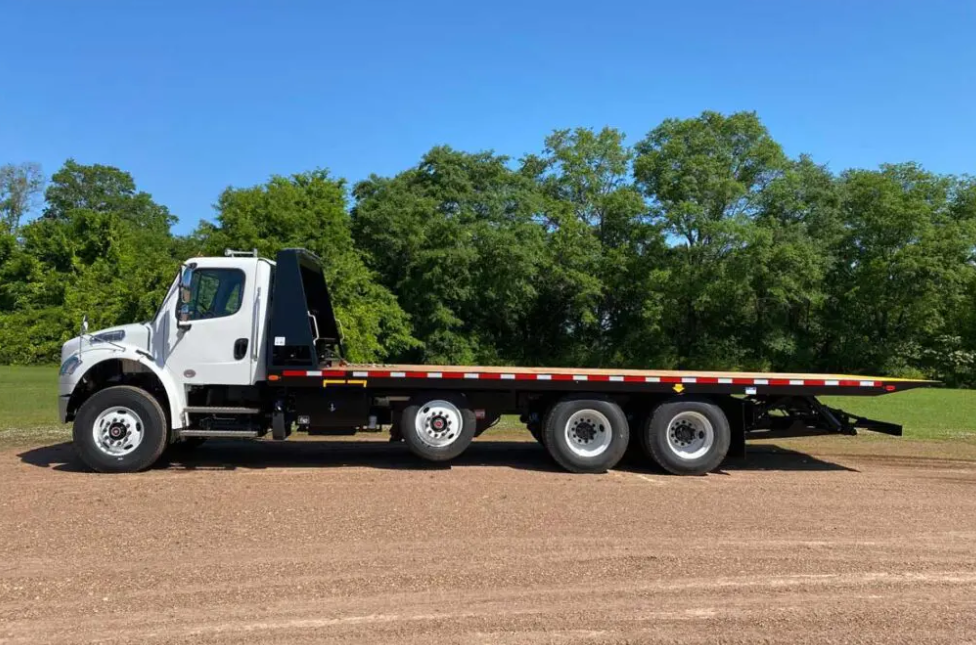
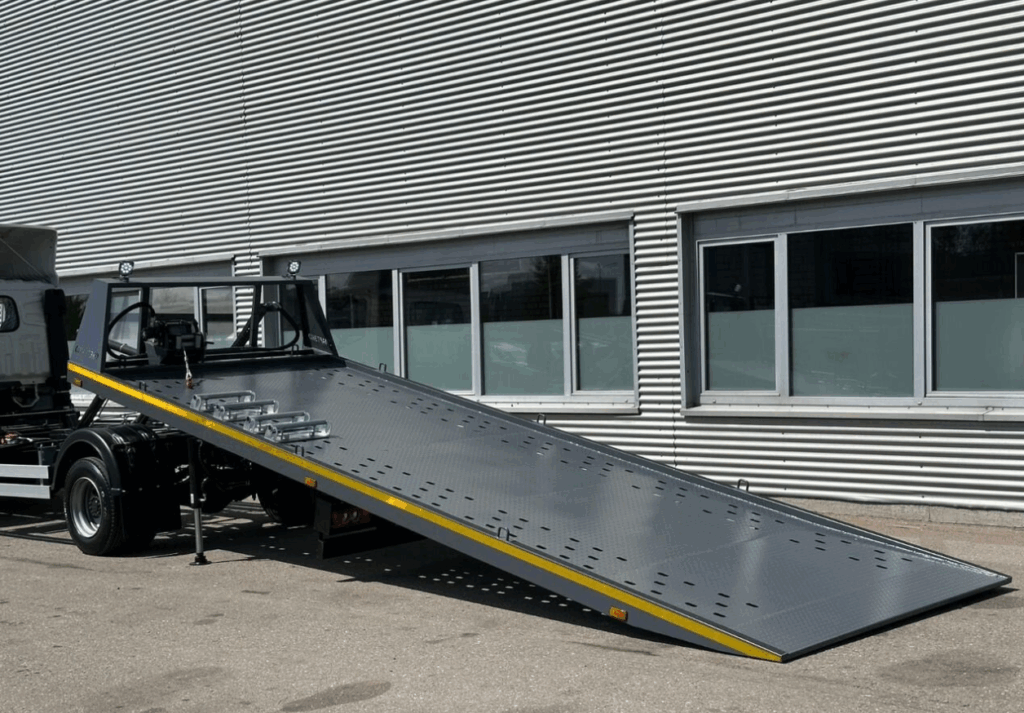
So, what is a rollback truck? In simple terms, it’s a special type of tow vehicle built for safe and efficient vehicle recovery. At first glance, it might look like a flatbed tow truck, but it’s not quite the same. A rollback is designed with a bed that can actually slide back and tilt down to the ground.
This clever flatbed design means cars, vans, or even heavy machinery can be loaded without risky angles or extra lifting. Compared to traditional tow trucks, where one end of the car is raised, a rollback keeps the whole vehicle level. The result? Smoother vehicle loading, less stress for drivers, and a huge step forward for the modern towing industry.
Features of Rollback Trucks
Hydraulic System
The secret behind a rollback’s smooth operation is its hydraulic system. This hydraulic power unit controls the bed, letting it slide back and tilt down with the push of a lever. High-pressure fluid does the heavy lifting, so the operator doesn’t have to.
Today’s systems even come with hydraulic diagnostics and allow for aftermarket components, making them easier to service. Combined with stabilizing legs and proper braking compatibility, the hydraulics keep everything steady—even when the rollback truck features is carrying its maximum capacity rating.
Winch Mechanism
Another vital feature is the winch mechanism. Located at the front of the bed, it uses a recovery winch safety wound around a winch drum to pull vehicles onto the platform. Regular winch cable maintenance is key, ensuring the system works every time—especially during emergency roadside recovery. With this load transfer mechanism, even vehicles that can’t move on their own are loaded safely.
Secure Straps and Tie-Downs
Once the vehicle is on the bed, it needs to stay put. Rollbacks use secure tie-downs like the ratchet strap system, tie down anchor points, and anchor point spread to lock everything in place. Add in front-end protection and proper vehicle stabilization, and you get a safe ride with balanced payload distribution.
Benefits of a Rollback
Reduction of Safety Issues

Because the entire vehicle rests on the bed, rollbacks are safer than trucks using a wheel lift system. There’s less strain on tires and suspension, which reduces risks during long-distance vehicle towing. For operators, this also means meeting towing safety guidelines and operator certification standards is easier. Customers notice that level of care—and trust grows.
Damage Prevention
One of the biggest reasons people choose rollback towing is damage prevention. Since the car never touches the road, there’s no risk of dragging, scraping, or wear on the wheels. The vehicle’s chassis protection and wheel alignment are maintained, while overall stability is much better. That’s why so many vehicle transport services and emergency towing providers rely on rollbacks for high-value vehicles.
Towing Versatility
Few trucks can match the towing versatility of a rollback. They can handle everything: compact cars, motorcycles, construction equipment, and even agricultural equipment. With different models—light-duty rollback, medium-duty rollback, and heavy-duty rollback—operators can pick exactly the right truck for the job, whether it’s short-distance vehicle recovery or long-haul equipment transport.

Employment of Rollback Trucks
Emergency Towing Services
When accidents happen, time and safety are everything. Rollbacks excel in emergency towing. Their emergency roadside recovery performance makes them a go-to choice for clearing wrecks quickly while staying compliant with towing regulations.
Vehicle Transport
Rollbacks are also a favorite in the world of vehicle transport services. From luxury cars to motorcycles to vintage classics, these trucks handle vehicles that need extra care. The flatbed design makes sure everything is secured properly, in line with the service manual guide, which is why auctions, dealerships, and moving companies rely on them.
Construction and Agricultural Equipment Transport
When it comes to heavy or oddly shaped loads, like construction equipment or agricultural equipment, only a heavy-duty rollback will do. Thanks to the load transfer mechanism and strong vehicle securing process, these trucks make transporting massive machinery much safer and easier.
Choosing the Right Rollback Truck
Light-Duty Rollback Tow Trucks
A light-duty rollback is perfect for smaller vehicles like cars and motorcycles. Its compact size makes it ideal for cities, offering quick emergency response planning and easy maneuvering in tight spaces.
Medium-Duty Rollback Tow Trucks
Medium-duty rollback trucks strike a balance between power and versatility. They’re excellent for SUVs, vans, and mid-sized construction equipment. Operators love them because they combine solid towing capacity with manageable payload distribution.
Heavy-Duty Rollback Tow Trucks
When the job is serious, heavy-duty rollback trucks come into play. Built for buses, large machinery, and the heaviest vehicles, they serviceability features reinforced flatbeds, stabilizing legs, and advanced towing equipment. These trucks require certified operators and strict adherence to towing safety guidelines to ensure safe operation.
Best Practices and Maintenance
Regular Equipment Inspection
Keeping a rollback reliable starts with equipment inspection. A proper equipment inspection protocol should include hydraulic diagnostics, winch cable maintenance, and checks on aftermarket components. Following the maintenance checklist in the service manual guide helps operators spot issues before they become problems.
Proper Load Securing
Indeed, high-quality safe trailer is entirely dependent on the well secured load. This is the example of the ratchet strap system, which is installed on the tie down anchor points, and the spread of the anchor point before vehicles is nicely steady. If you properly load securing methods with this method, there will be no shifting, the cargo remains protected, and the chassis remains intact.
Compliance with Towing Regulations
In summary, the operators are required to observe the towing advantages rules at all times. This means that one should be always up to date with the operator certification, obey the towing safety guidelines, and keep records for regulatory compliance. These rules, if not followed, can cause such issues as safety, braking incompatibility, and sometimes legal lawsuits.
How To Load And Unload A Car On A Rollback Tow Truck
Coda
What distinguishes a rollback truck from a simple tow vehicle, is the fact that it is an indispensable part of a contemporary tow truck profession. The hydraulic system, winch, flatbed structure, safe and reliable tie-downs all contribute to the towing safety, damaged cars protection, and additional unmatched towing benefits.
Rollback trucks are the most reliable equipment not only for emergency towing and vehicle transport but also for construction and agricultural equipment hauling in any situation. As a result of the constant equipment inspections, adopting the maintenance best practices, and following the set towing regulations the operators can be sure that light, medium, or heavy-duty trucks will carry out both the job and their duties properly, that is safely, and efficiently.
About the Author